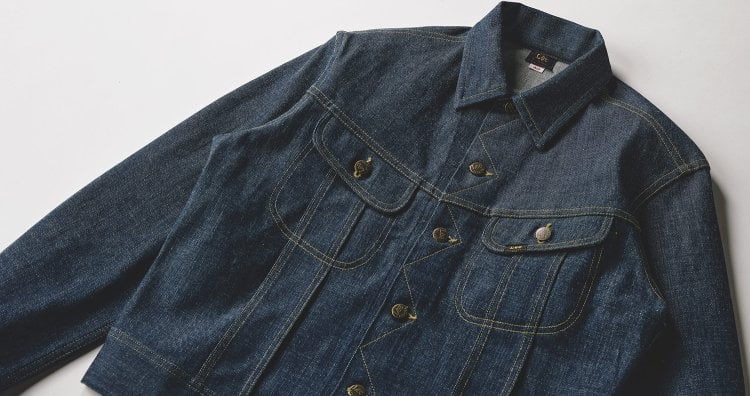
The “101” series is a masterpiece of “Lee,” one of the three major denim brands in the United States. This series celebrates the 100th anniversary of the style number in 2025. In this issue, we introduce the history, characteristics, and recommended models of the “101-J” denim jacket, a masterpiece of this series!
Sponsored by
A classic series that was developed as work pants for cowboys and became popular in the fashion scene
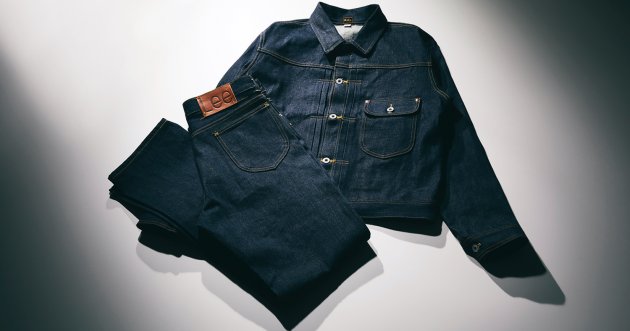
The Lee “101” series was originally created in the 1920s as work pants for cowboys. When it was first introduced in 1924, the pants were sold as a stand-alone item, but when a denim jacket made of the same material was added in the 1930s, it was adopted by ranch workers as a uniform workwear item that could be worn both as a jacket and a jacket.
1920s In the late 1920s, lot numbers were introduced for product control, and these cowboy pants were assigned the number “101”; “Lee Cowboy” was used as the series name in the 1930s, but the name was changed to “Lee Riders” in the 1940s as part of a rebranding effort aimed at a broader audience. Riders” in the 1940s as part of a rebranding effort to appeal to a broader audience. This shift changed the image of the brand from “farm work clothes” to “gear for riders,” and the 101 became its signature model. In 1948, the “101-J” slim-fit jacket was established as a counterpart to the “101-Z” jeans.
The cowboy jacket born before World War II was revamped in 1948, establishing a design that continues to this day.
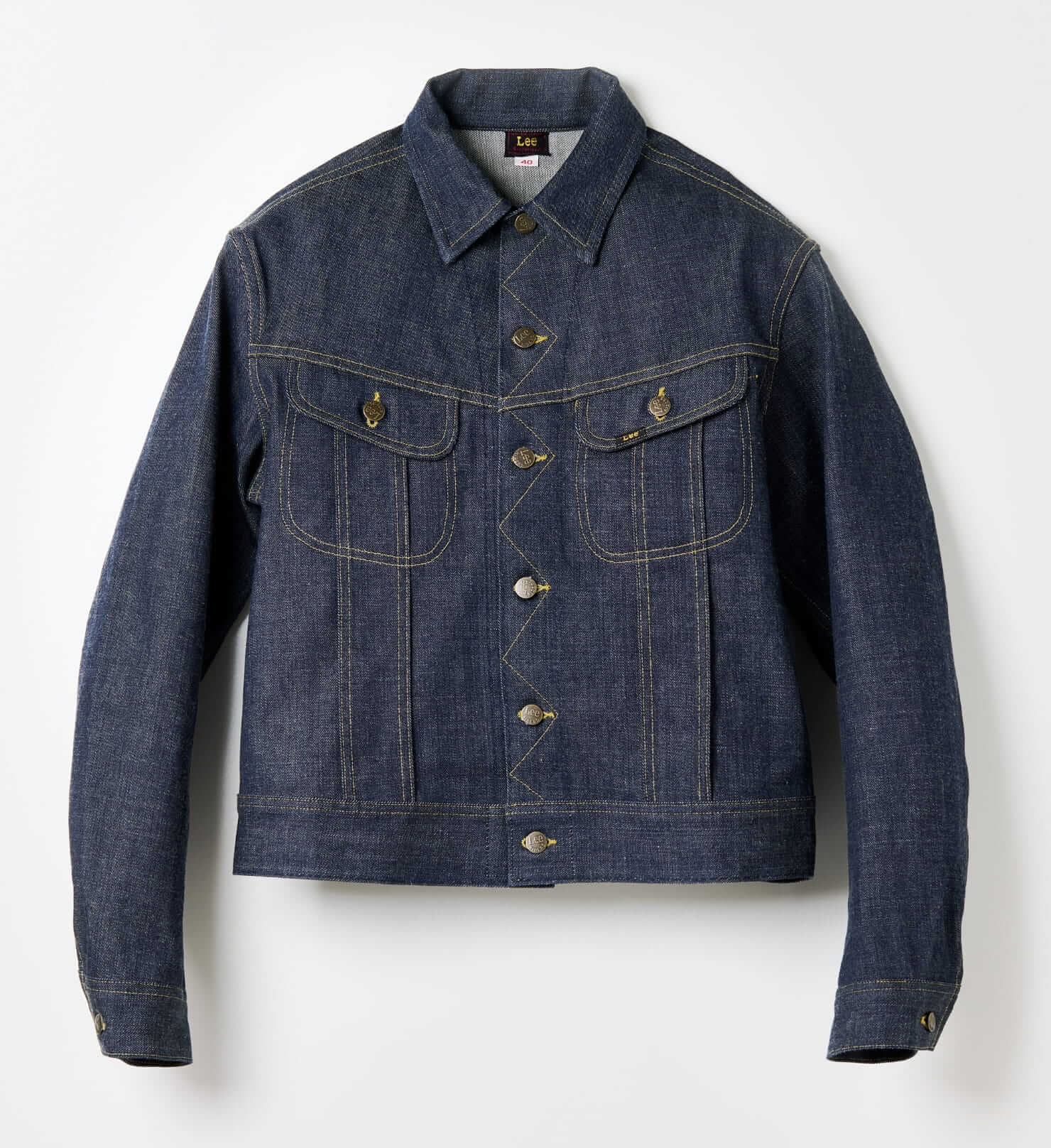
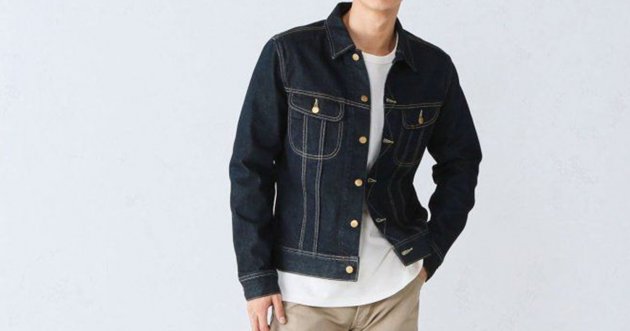
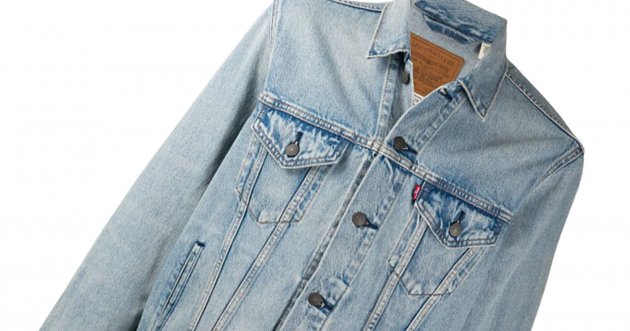
101-J is the model number of a denim jacket that belongs to the Lee “101” series, It was established in the late 1940s as “the world’s first authentic slim-type denim jacket. The reason for this is the existence of the “Lee Cowboy Jacket” that appeared in the 1930’s. The cowboy jacket of the 1930’s was a typical work jacket with pleats on the front and a buckle back, just like Levi’s Type I, which was commonly known as the 1st type that was mainstream at the time. However, Lee’s jacket is said to have been designed with a slightly narrower body width for a more comfortable fit.
After World War II, Lee reconfigured the cowboy jacket’s construction, and in 1948, the “Riders 101-J” was redesigned without the pleats and buckles. The silhouette became larger and slimmer than before, with zigzag stitching on the front and symmetrical flap pockets on the chest, establishing the current 101-J model. There is a record of limited sales through Rodeo magazine at the time. This 1948 model has a similar structure to the “3rd type (557XX)” that Levi’s would later introduce, and the 101-J is positioned as a leading model that presented a modern form of denim jacket.
The turning point when the Lee '101-J' changed from work clothes to a fashion itemThe famous actor James Dean wore the '101' jeans in the movie 'Rebel Without a Cause' and the entire series became popular
101-J became a fashion item. Behind the recognition of 101-J as a fashion item is the change in American values after the war. Jeans and denim jackets had been regarded as work clothes, but in the 1950s, they began to be treated as “symbols of rebellion” in the youth culture. For young people who did not want to be bound by the rules of school or home, choosing denim over suits and uniforms became a statement of attitude. This trend was spurred on by popular culture centering on movies. In the movie ‘ Rebel Without a Cause,’ James Dean wears ” 101″ jeans, and the image of a rebellious young man wearing jeans permeated the public consciousness. This led to the acceptance of not only jeans, but the entire 101 series into the fashion scene.
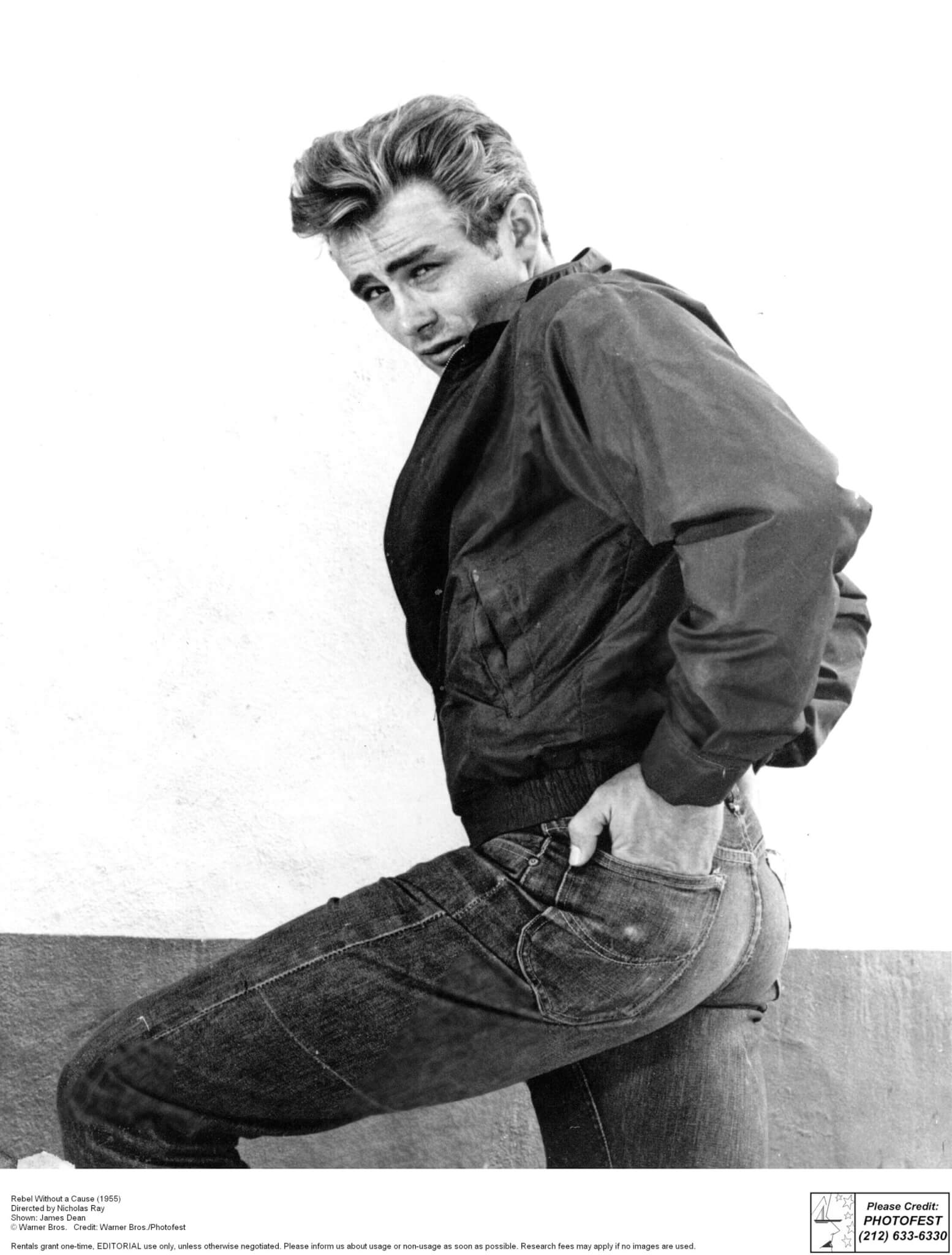
Photo: Photofest/Afro
James Dean, 1955 : Rebel Without a Cause (1955), Dirercted by Nicholas Ray, Shown: James Dean
Here are some of the features of Lee ” 101-J “!
2/3GO TO NEXT PAGE


![20 luxury down jackets [ from high brands to outdoor brands ] 2025-26 Latest](https://otokomaeken.com/wp-content/uploads/2025/11/cc5d606272a09a29b0f0289a9fb08d6b-750x397.jpg)